
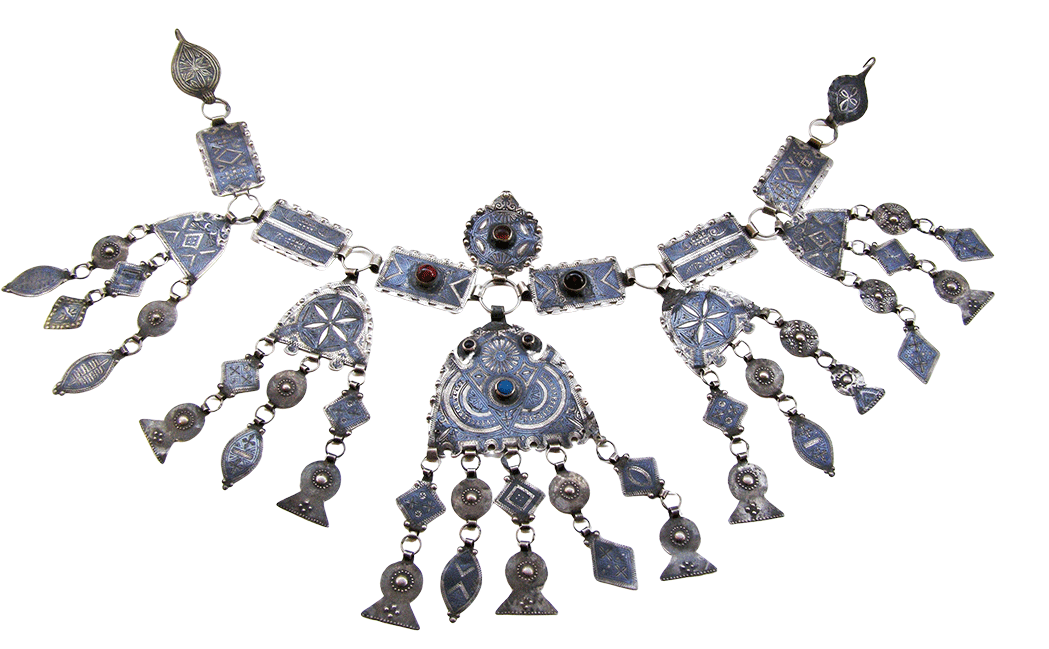
A journey in the heart of the medina
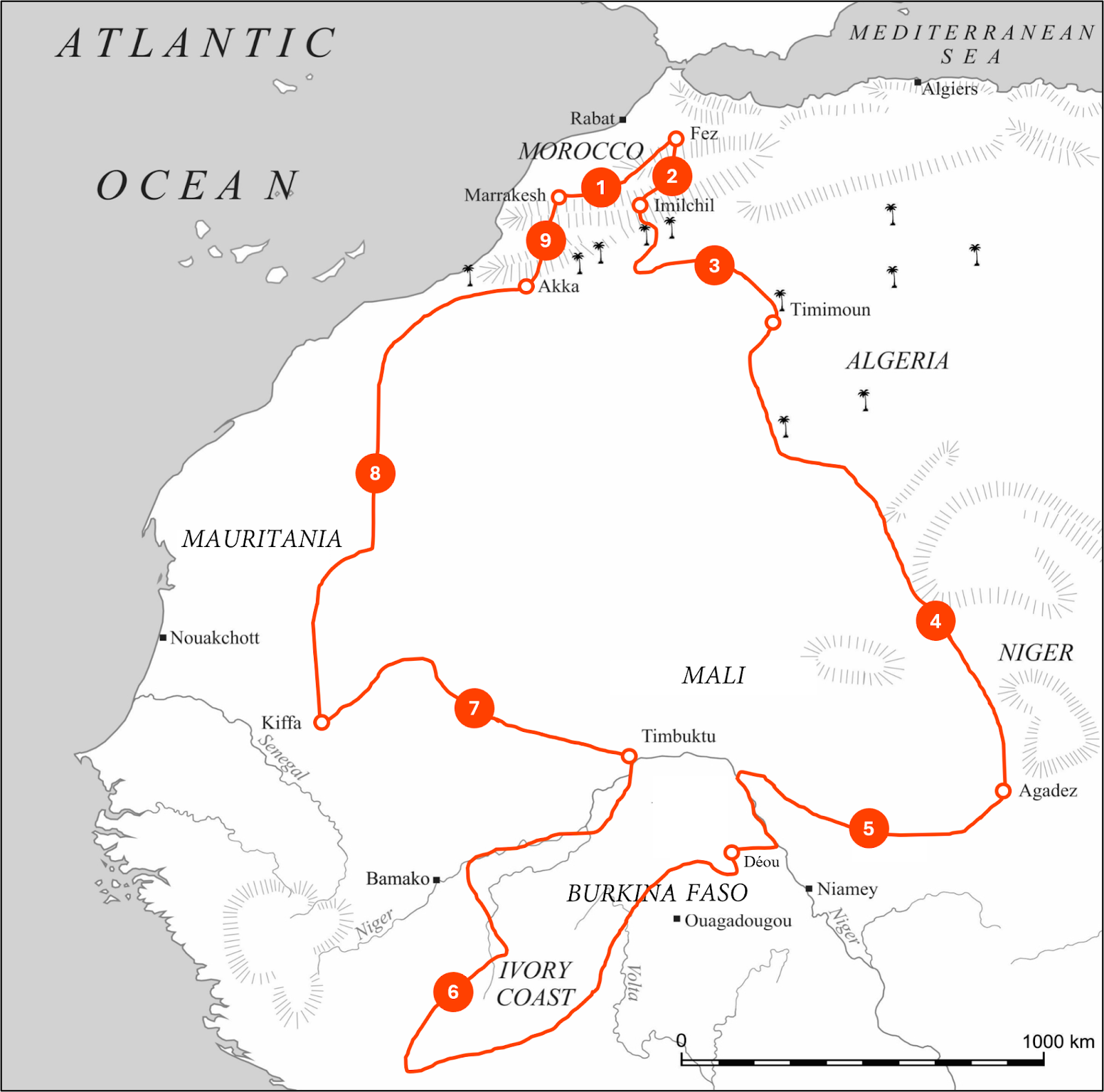
Start your visit in the Green Sahara and then follow in Bert Flint’s footsteps from Marrakesh to Timbuktu and back over the West route
Green Sahara
Silicon valley of the Neolithic period
“The Sahara has not always been a desert. On the contrary, the Sahara was a kind of Silicon Valley in the Neolithic period. It was here that humans began to take their destiny into their own hands.”
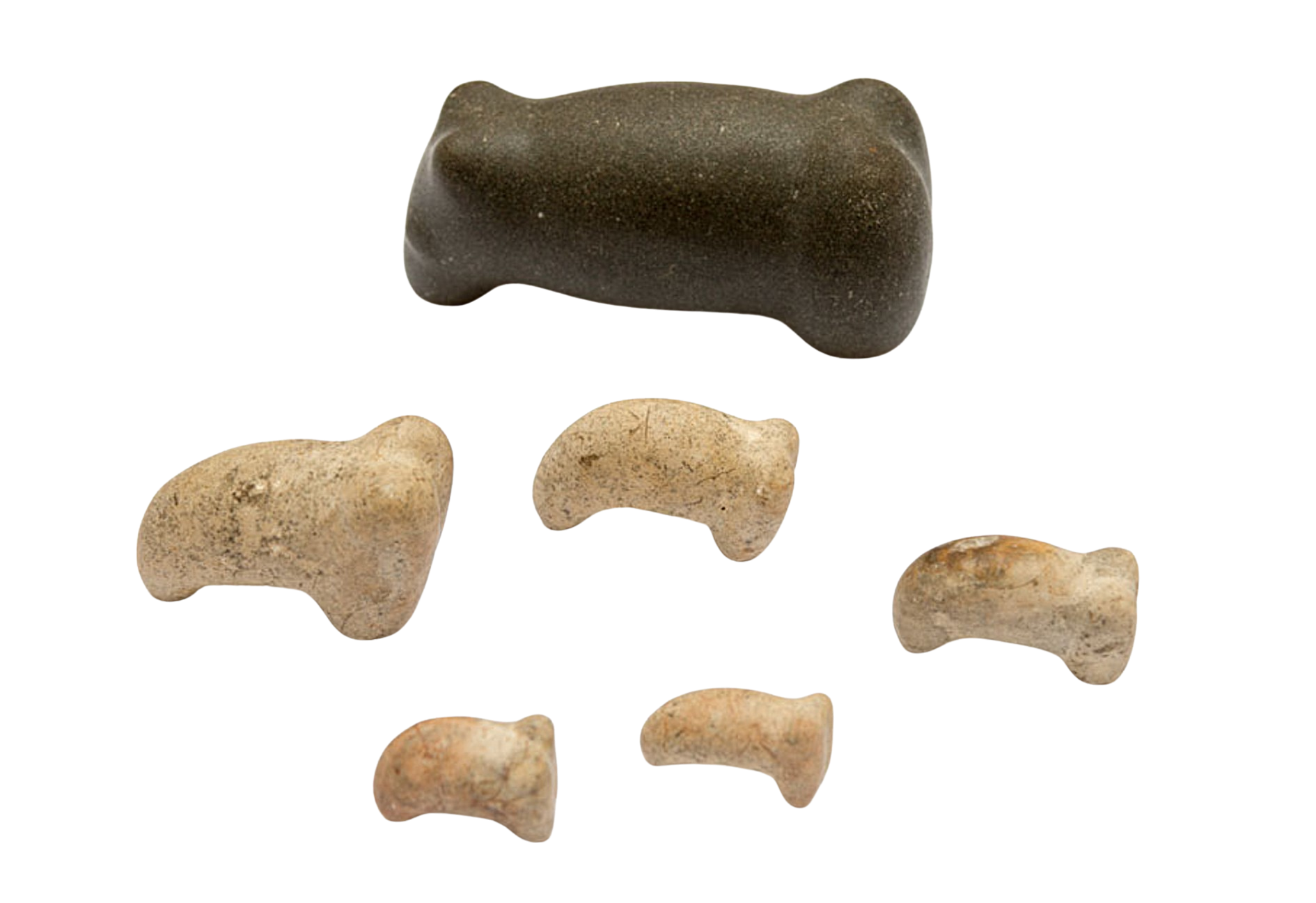
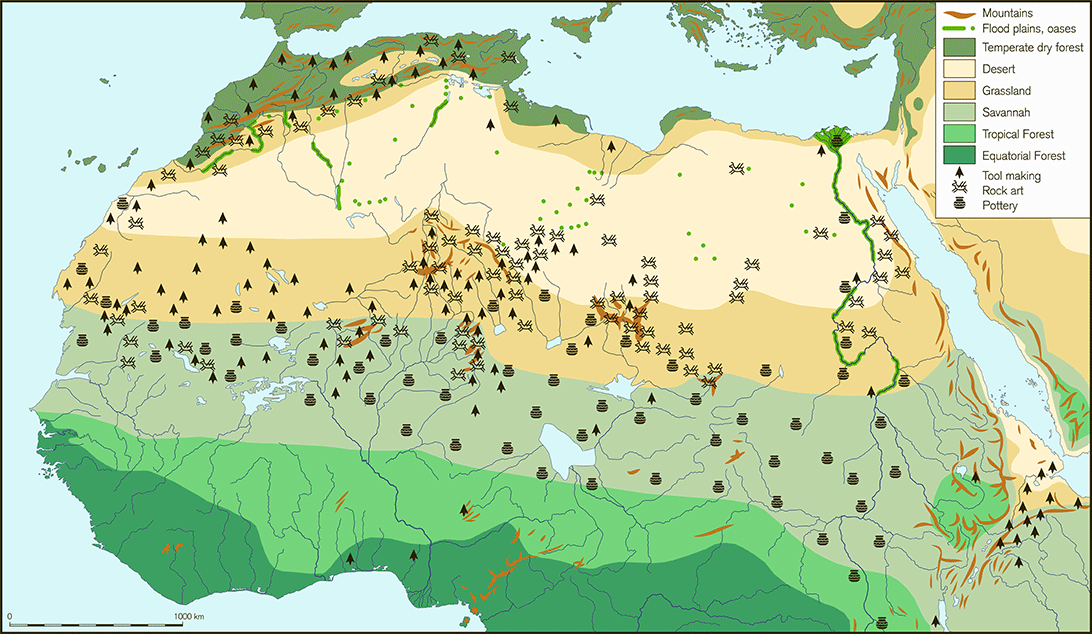
Start your journey with a leap back in time! Some 7,000 years ago, the Sahara was a grassland, reeds grew along ponds. Our ancestors could push aside papyrus to catch a glimpse of crocodiles, giraffes, buffalo, antelopes and elephants. They lived from hunting and gathering, and already practised pottery and rock art. Gradually, nomadic pastoralism and agriculture developed. The rock paintings as well as our figurines, tools and ceramics bear witness to this. As the Sahara dried up some 5,000 years ago, the populations were forced to migrate to the shores north and south of the Sahara. Up to today, people living in and around the Sahara share their common heritage. (Exhibition panel)
1
Middle Atlas
From
Marrakesh to Fez
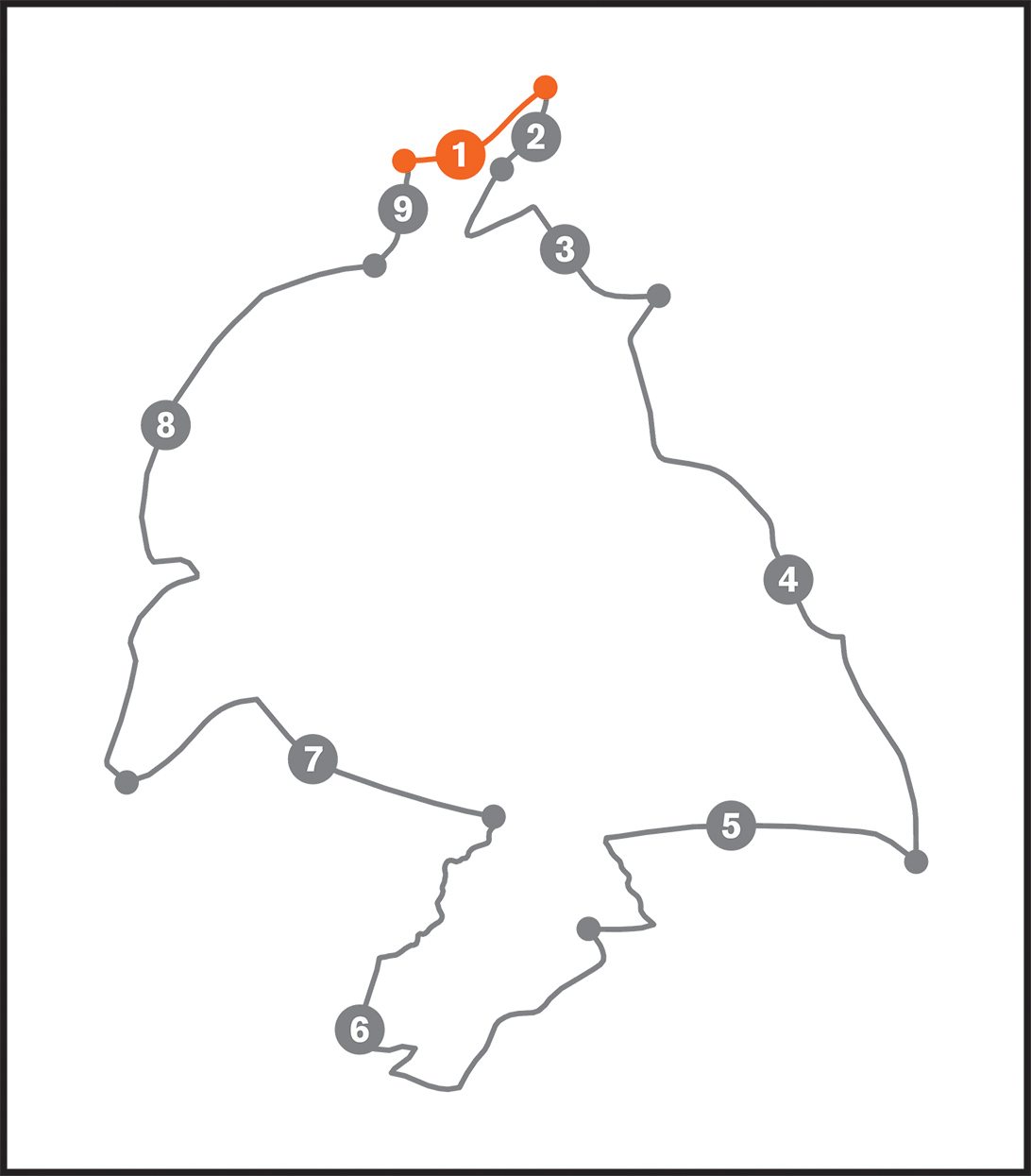
“The strength of rural art lies in the fact that it does not separate the different functions of an object. The aesthetic dimension is simply the harmonious integration of all these functions in a form that satisfies the eye.”
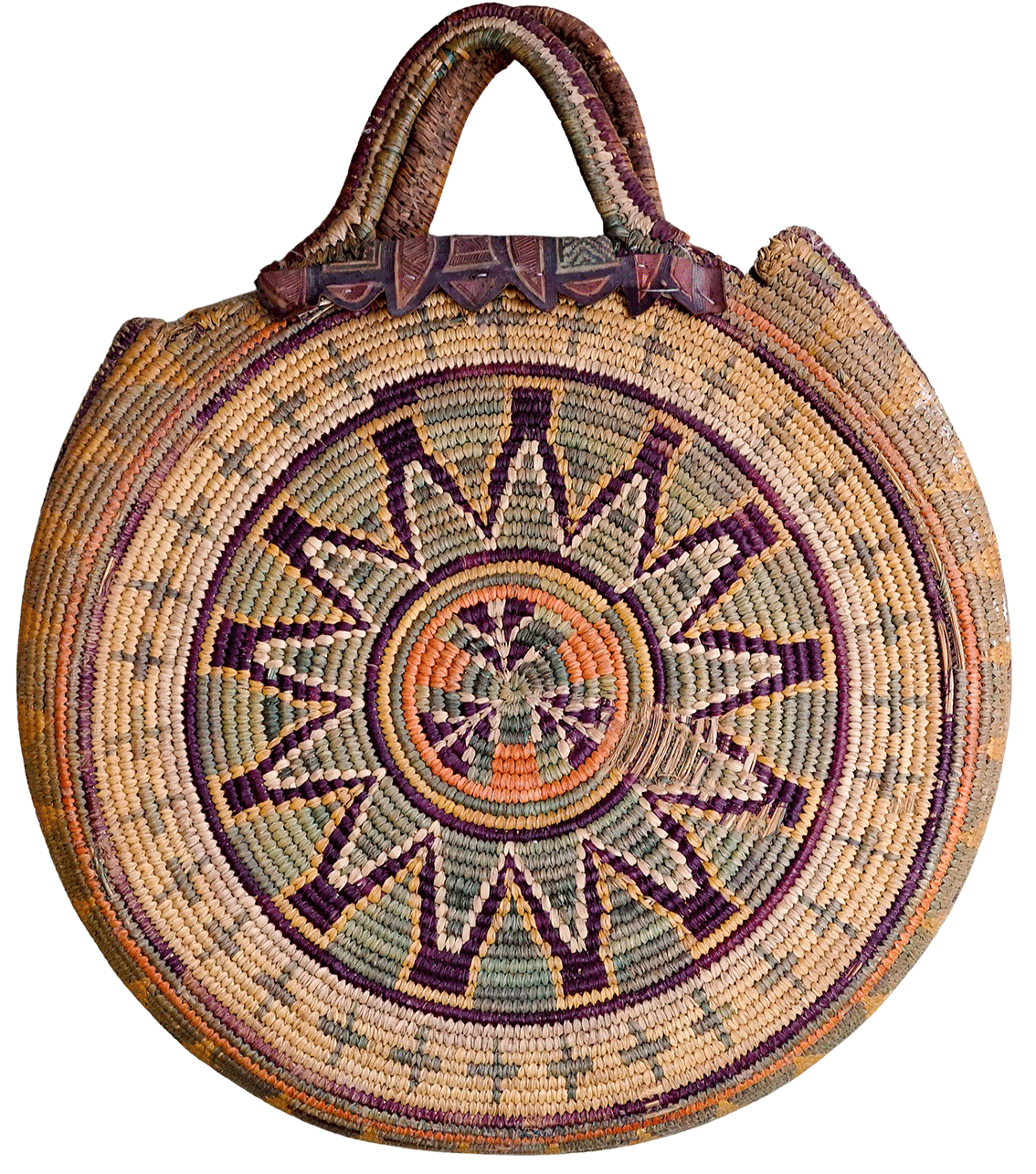
After a visit to Bert Flint's clothing shop, you leave Marrakesh and head towards the Middle Atlas mountains. People living there traditionally practised livestock farming, on summer and winter pastures, at different altitudes. To make objects for daily use, they worked the materials at their disposal: plant fibres, clay and cedar wood. You discover some of these handicrafts here. Besides functionality, aesthetics of an object is of utmost importance: not only are the objects markers of social prestige, but on top of this, certain shapes and decorations are believed to have magical power. (Exhibition panel)
2
Eastern High Atlas
from
Fez to Imilchil
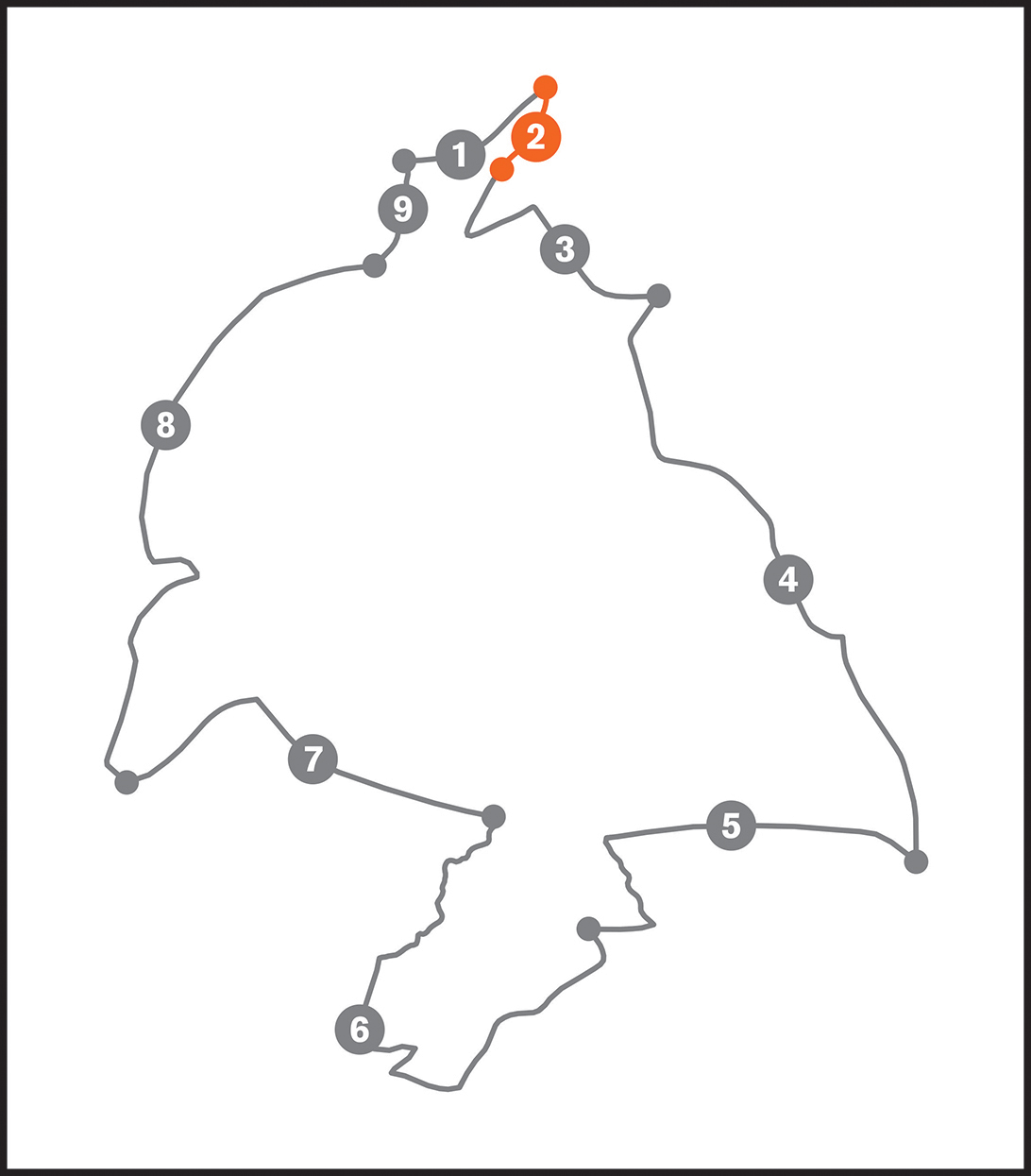
“In the weavings made by nomads, the absence of any central motif possibly reflects the fact that they do not experience space from the perspective of a fixed dwelling.”
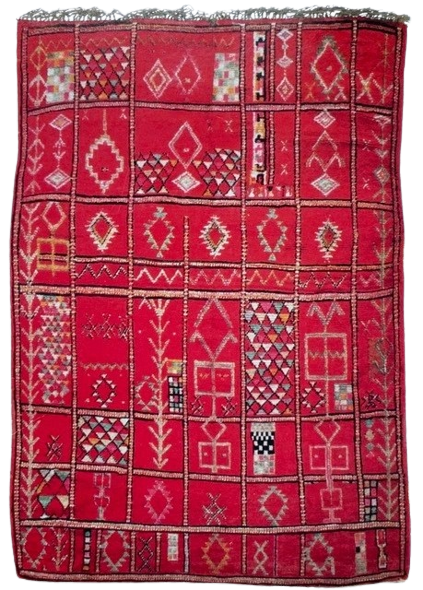
The journey goes on from the Middle Atlas to the Eastern High Atlas mountains. On the way, you cross semi-nomadic Amazigh families, installed here beneath the summer pastures, living under black woven tents. Their ancestors gradually settled in the region, abandoning long-distance transhumance. The families lived mainly from sheep and goat farming. You will discover how they built their tent, how they worked wool, how women expressed their textile creativity. (Exhibition panel)
3
Pre-Saharan oases
from
Imilchil to Timimoun
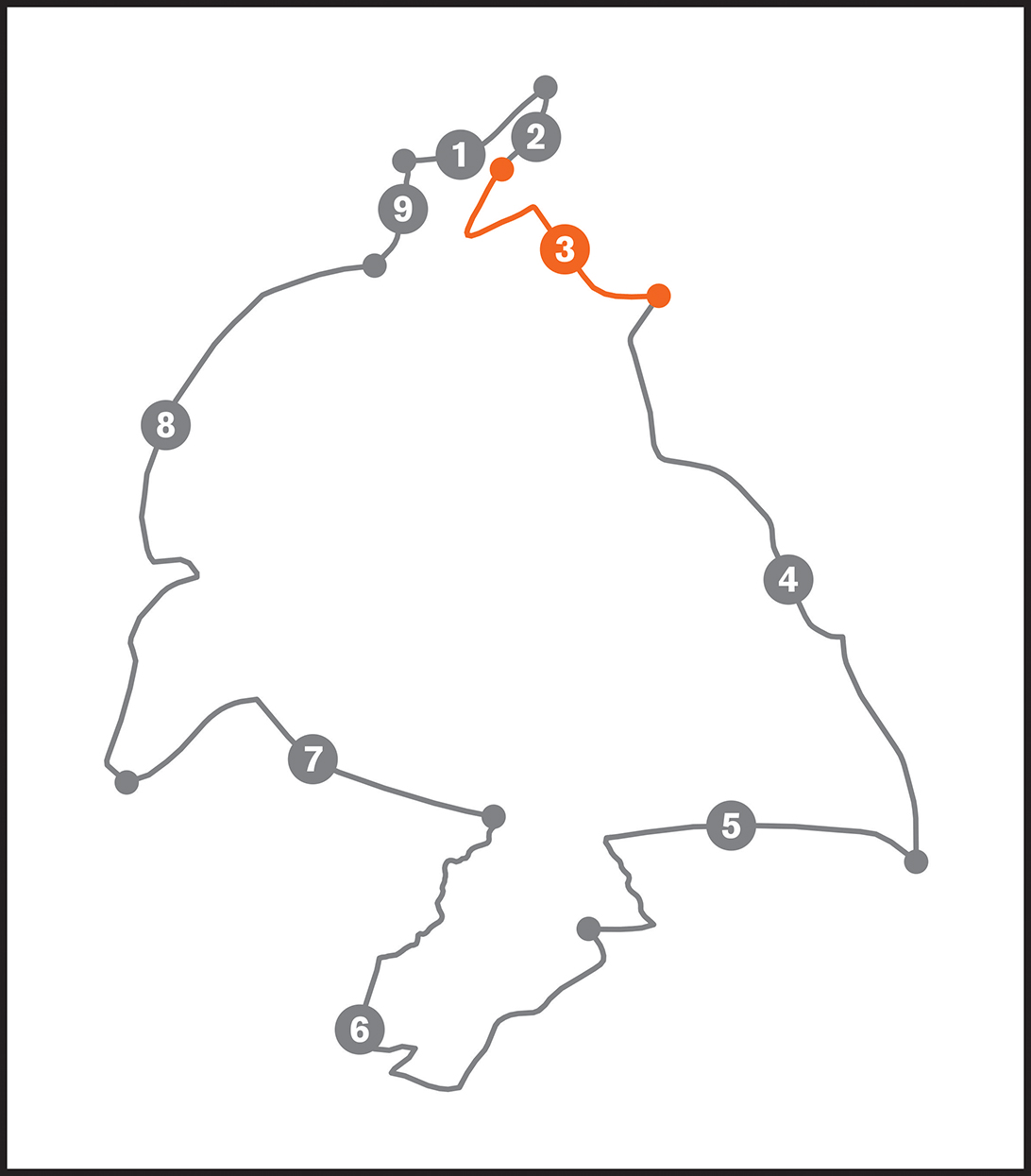
“Nomads realized the profit they could derive from their dromedaries with lucrative transport of goods between the two shores of the Sahara. Thus, they needed to get along with people living in the oases for their provisions of food, water and dates.”
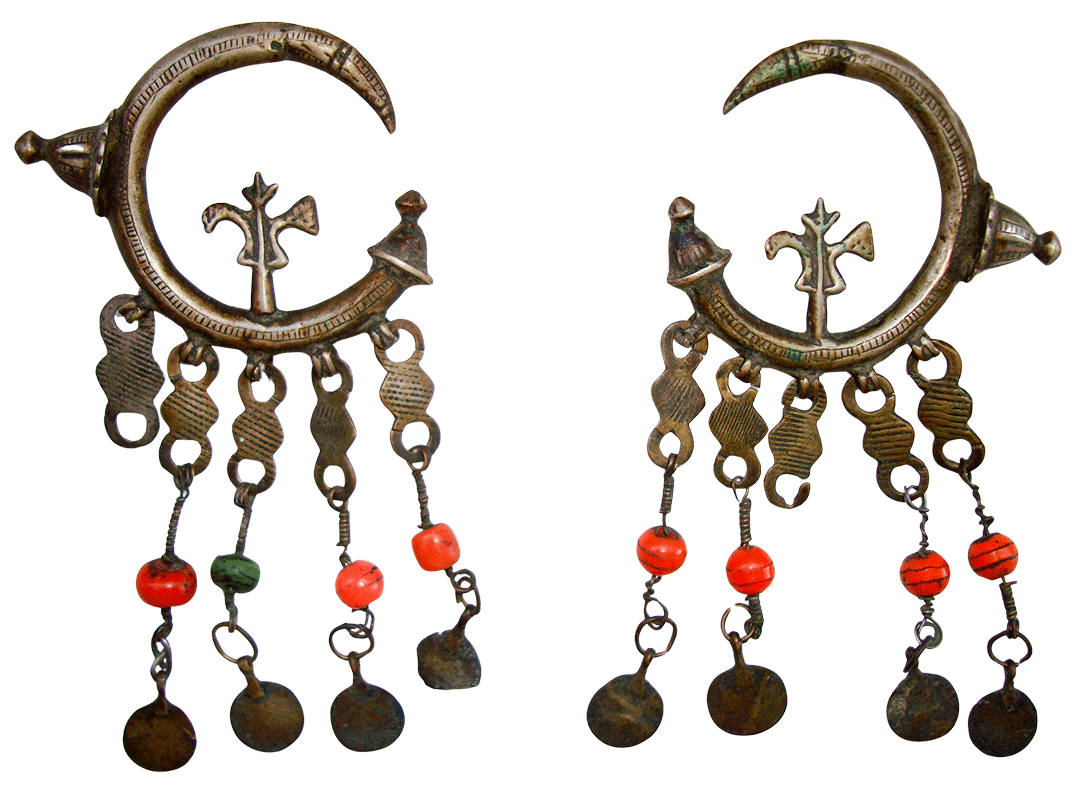
We continue south-eastwards, along valleys dotted with oases. These are artificial green areas in the desert, created by humans and cultivated using complex irrigation systems. Developing, cultivating and maintaining oases involved continuous physical labor, much of which was provided by black slaves. Most of the sedentary people in the oases were farmers, craftsmen or caravan traders. Many Jews, persecuted elsewhere, found refuge here and specialized in jewellery-making. Stop off at a kasbah, one of the fortified buildings with its typical four towers. Along the way, take note of objects typical of sedentary housing: windows, massive furniture and storage containers, made of earth, wood or palm fibers. (Exhibition panel)
4
Central Sahara
from
Timimoun to Agadez
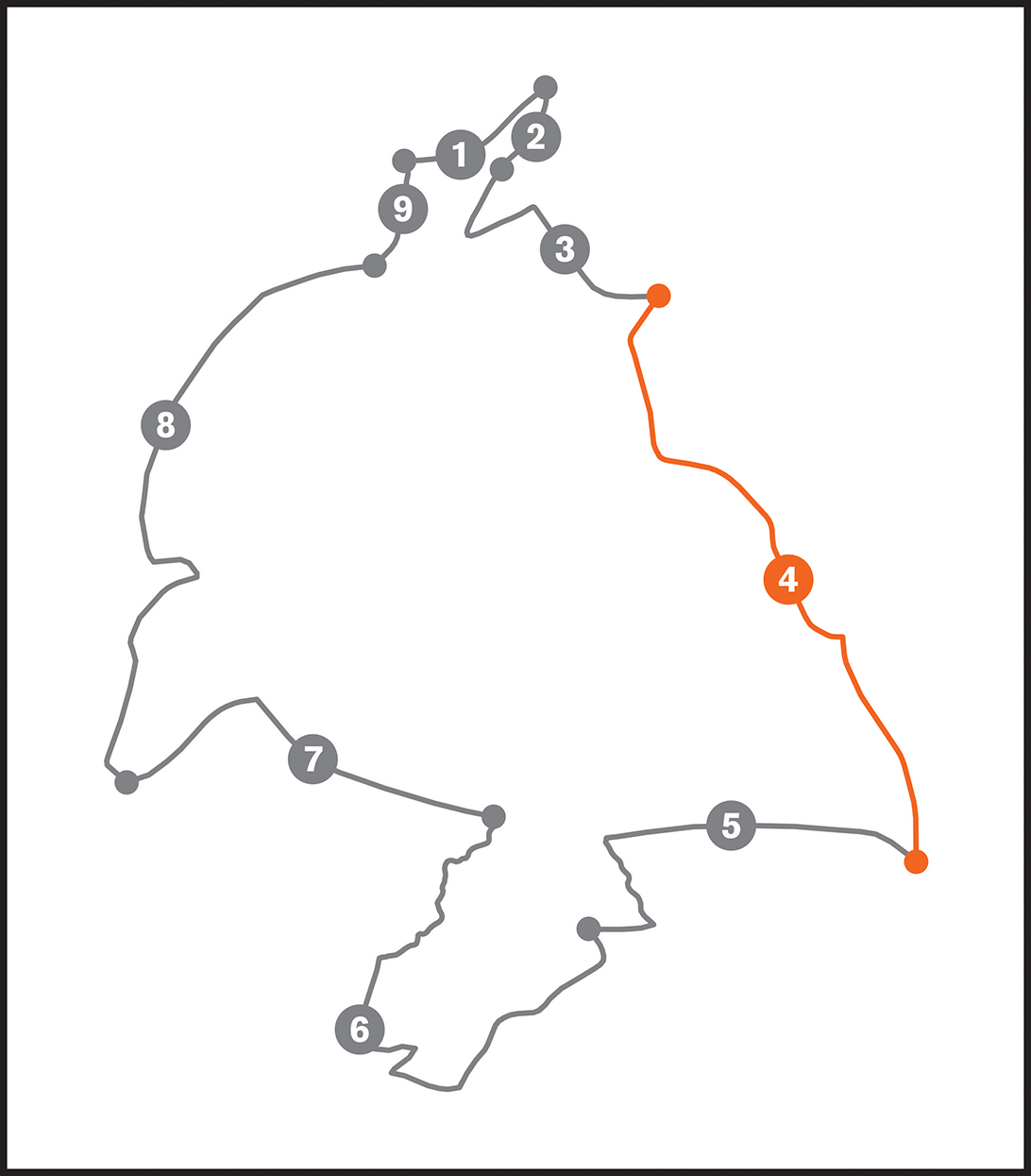
“A large part of the rich material culture in this region is due to the creativity of women who, often collectively, work leather with great skills and are experts of colours.”
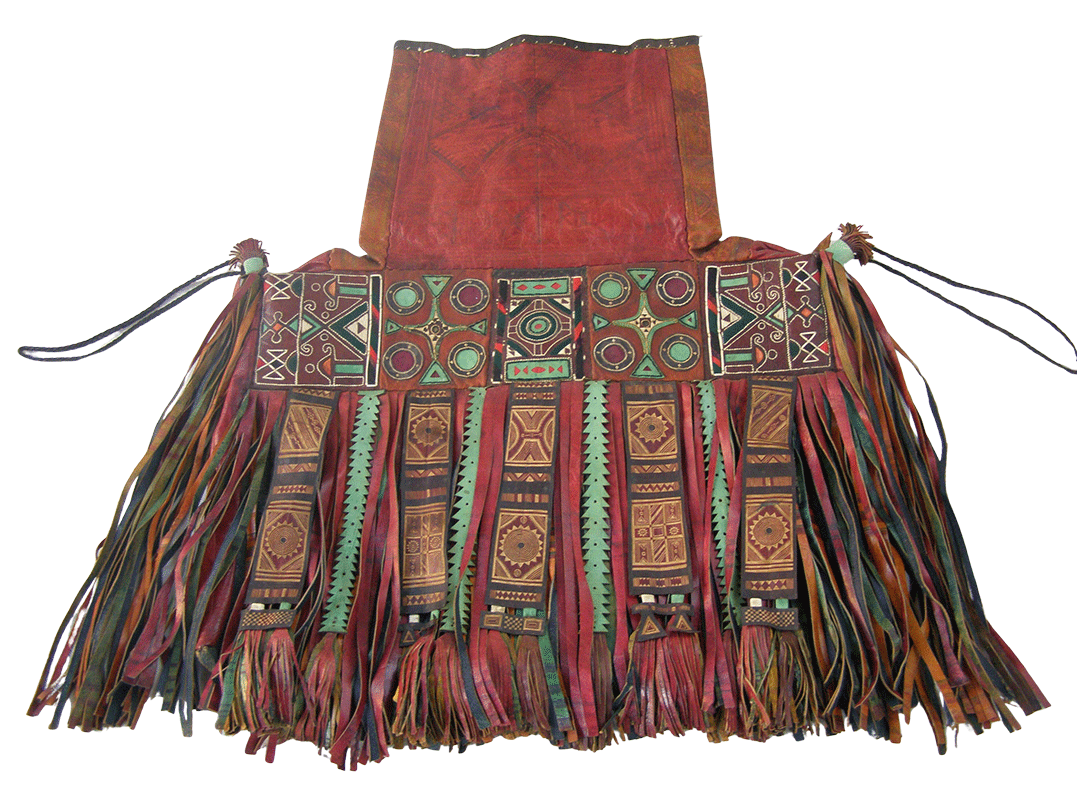
You are now at the heart of the Sahara, accompanying Tuareg nomads of the Hoggar and Aïr confederations (today in Algeria and Niger). Until the 1960s, they mainly lived from livestock farming, raising goats and dromedaries, and from caravanning. Tuareg from the Hoggar mountains went in winter towards the north. Here, manufactured handcrafts and textiles from the Sahel were exchanged for dates from the oases. During the summer, they loaded salt from the mines near Tamanrasset and carried it in autumn on camels southwards to Niger. Beyond Agadez, the salt was bartered for millet, handcrafts, and textiles, for their own use and to be traded during the next caravanning cycle. (Exhibition panel)
5
The Niger Bend
from
Agadez to Déou
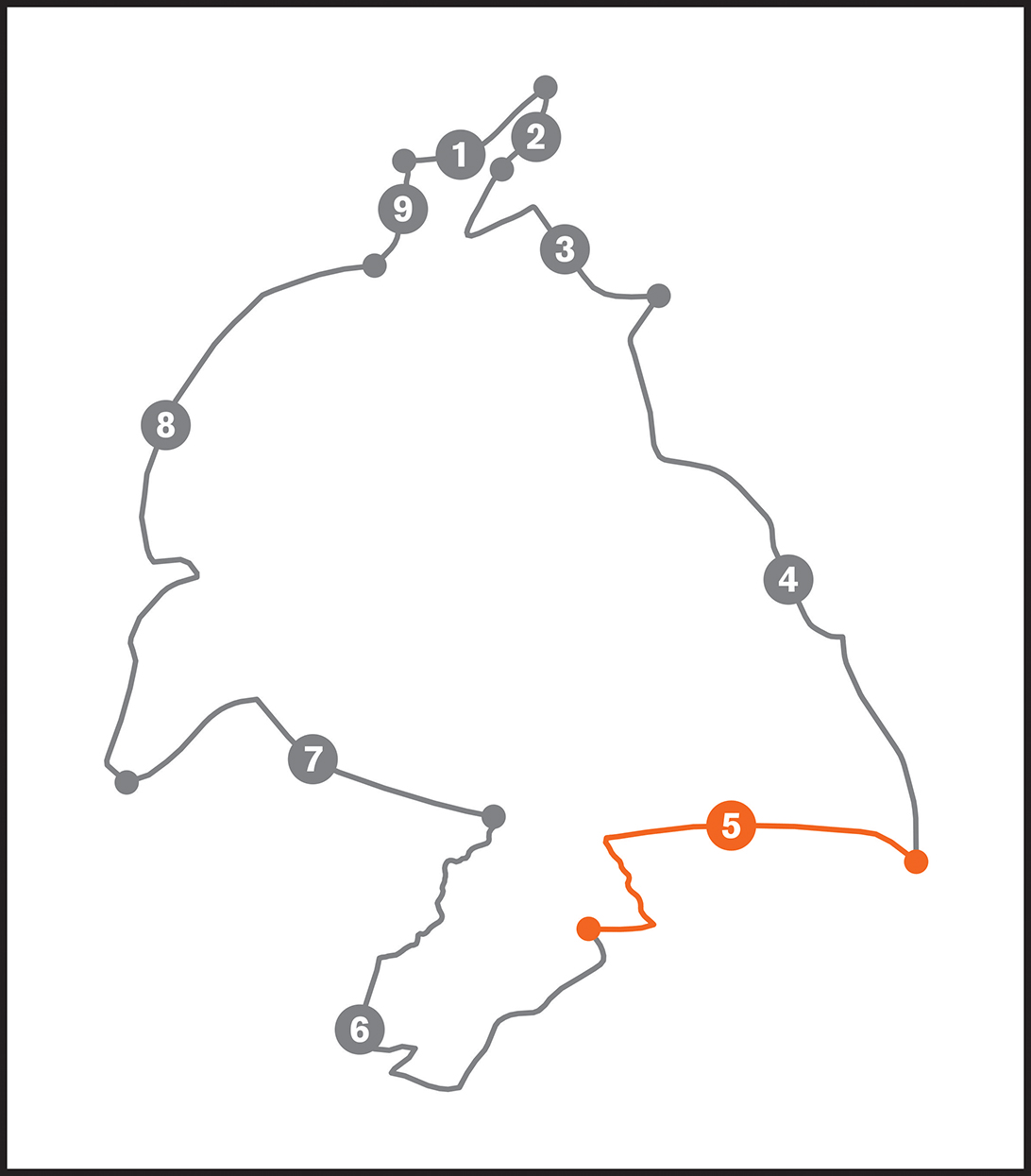
“The Tuareg share the Sahelian regions with other peoples of the Saharan diaspora who preceded them. They have benefited from their experience of adapting to the specific environment of the Sahel.”
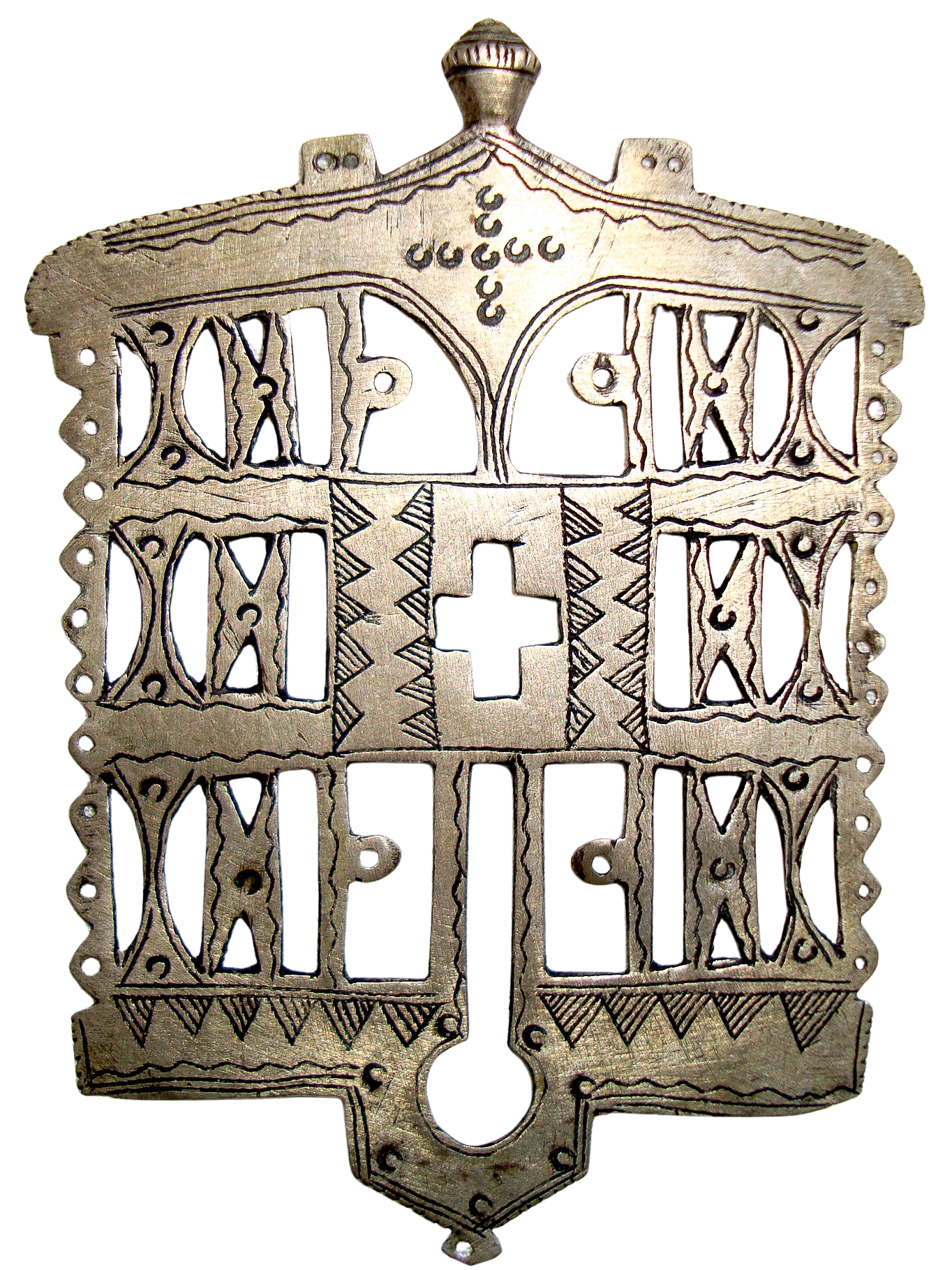
From Agadez, the journey goes westwards to the Niger River. You are now in the company of Sahelian and River Tuareg. They originate from the Sahara too, but had to adapt their traditional Saharan culture to a very different environment, giving rise to a blend of African and Amazigh traditions. The populations were semi-nomadic and lived under tents made of skin or secco mats. Their furniture had to be transportable, but also to protect against animals living on the ground. Stakes and calabash holders are examples thereof. You might admire the huge screen mat and decipher message jewellery from the Bella, a Black community of former slaves of the Tuareg. (Exhibition panel)
6
Burkina Faso and Mali
from
Déou to Timbuktu
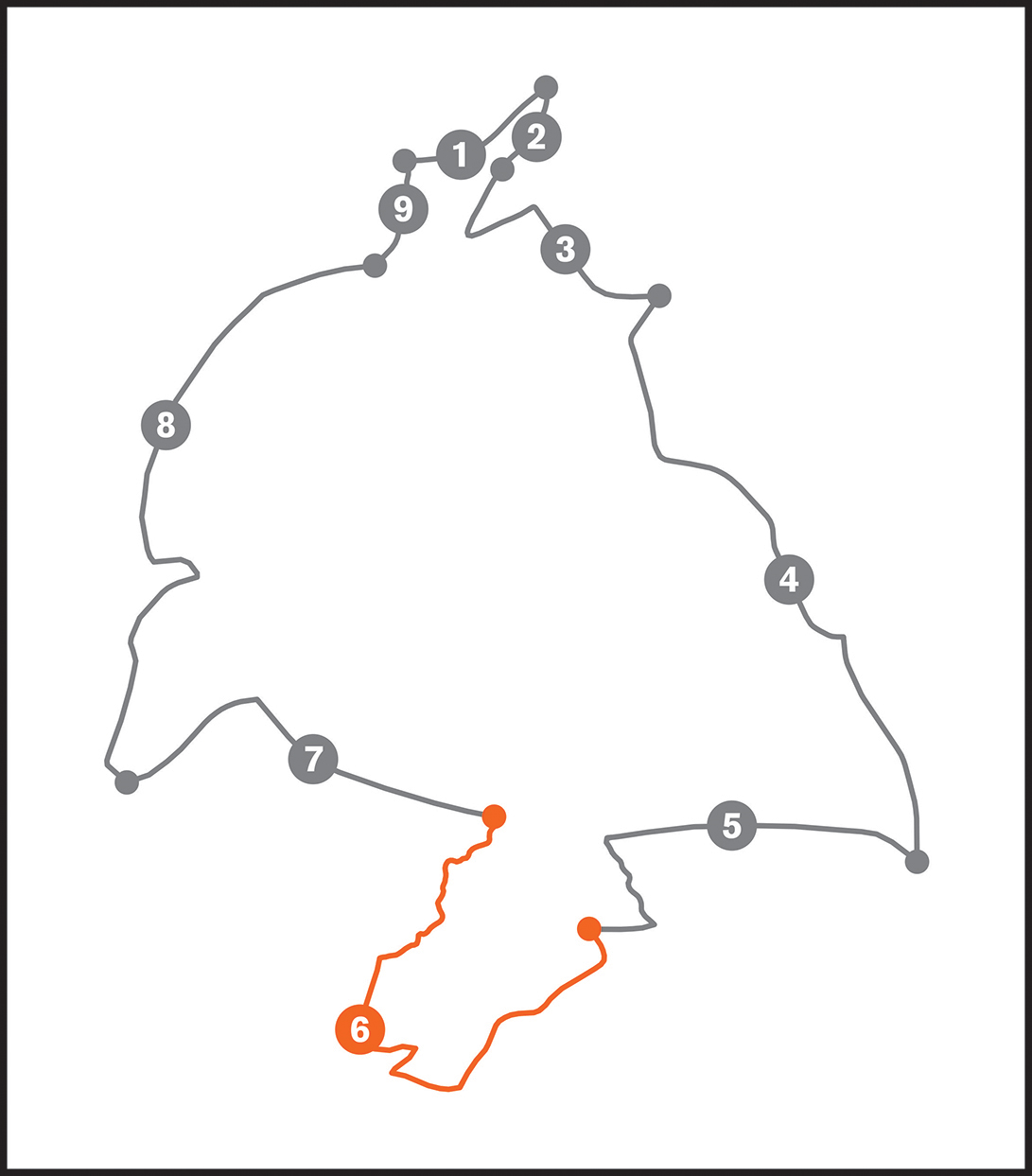
“I would like to mention the key role of women and feminine values in African states with an agricultural tradition.”
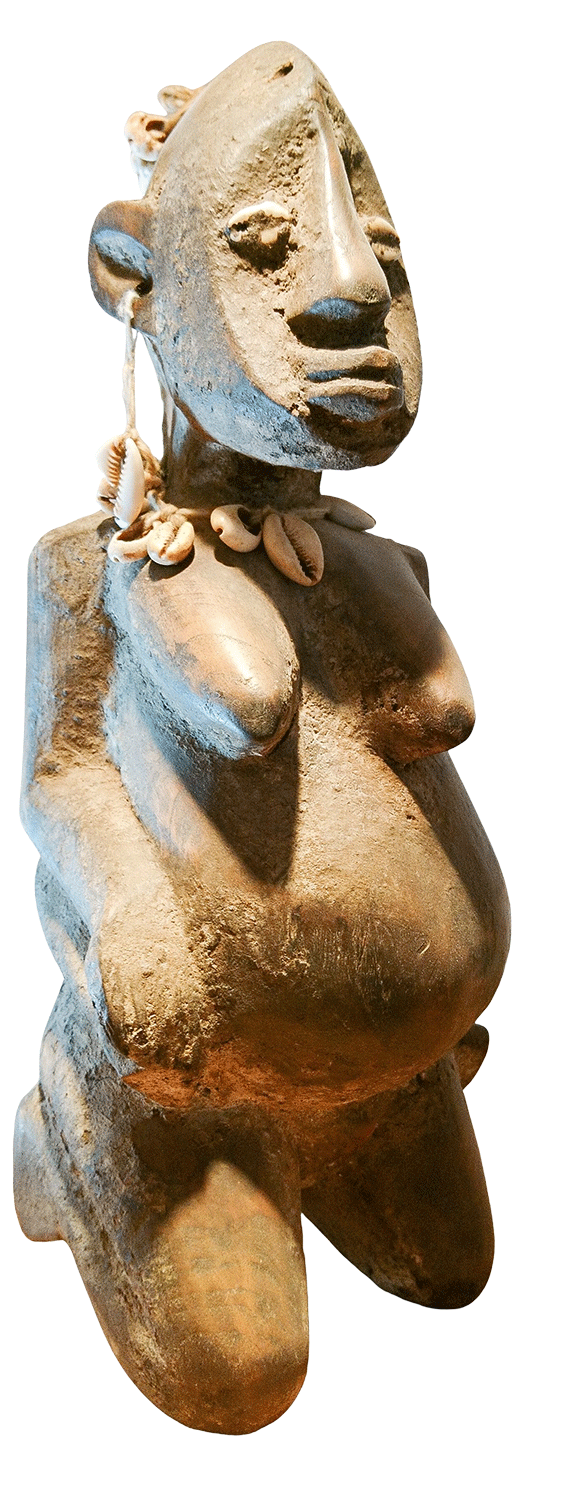
While travelling through Burkina Faso and Mali, you meet different West-African communities. They are sedentary and traditionally lived from agriculture and hunting. To master the unseen, they build on the foundations of animism, ancestor worship and male-female complementarity. According to Bert Flint, the focus on matriarchal values in figurative arts of West Africa reflects an “African sensibility” deserving a special attention. So take the time to discover them through masks, statues, and spoons, follow Bert in the field and dive into the world of West African legends. (Exhibition panel)
7
Mauritania
from
Timbuktu to Kiffa
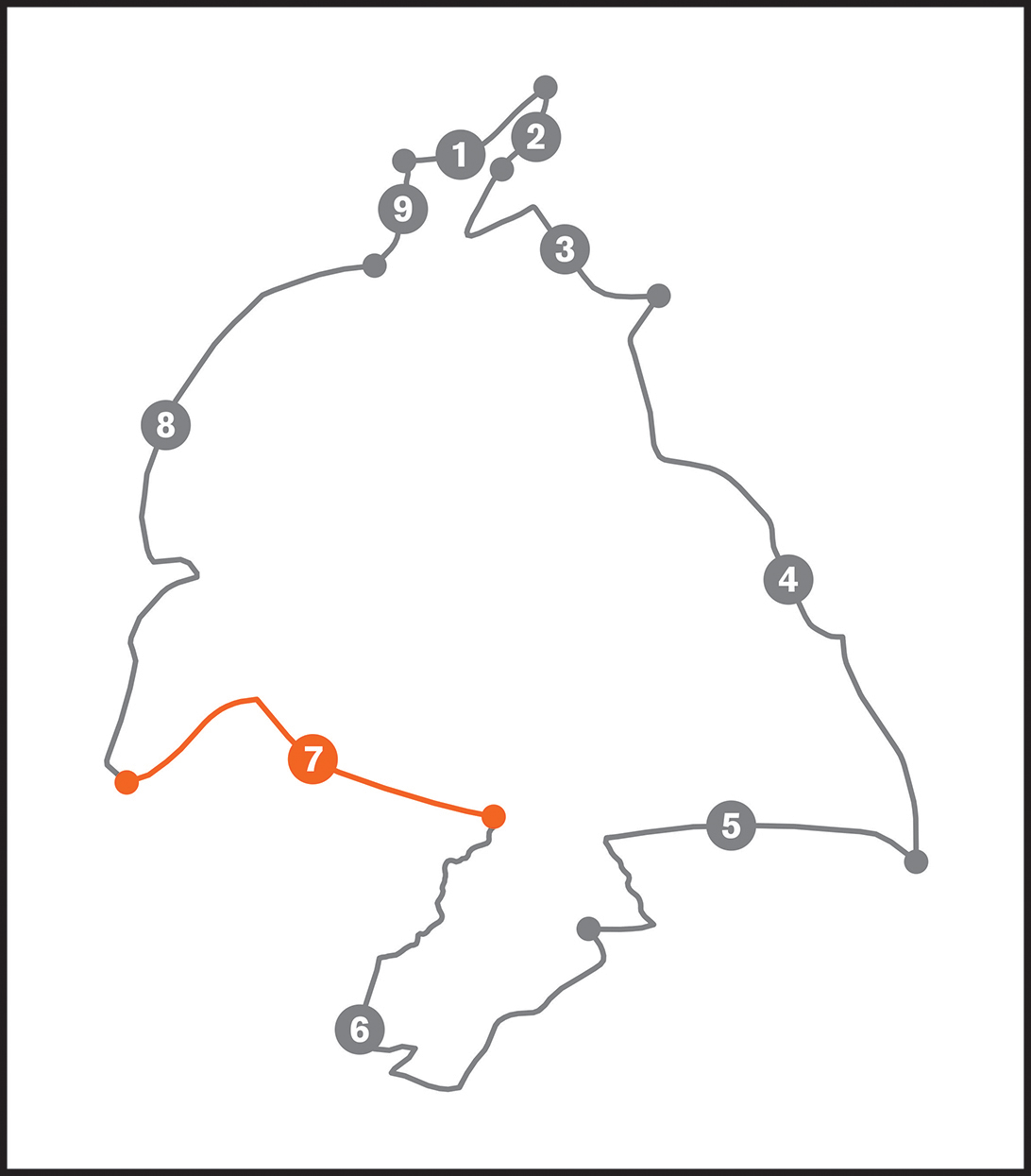
“Leather is a precious and noble material through which Saharan art is best expressed. The bonds between man and animal are so close that the hide of a killed animal is sacred.”
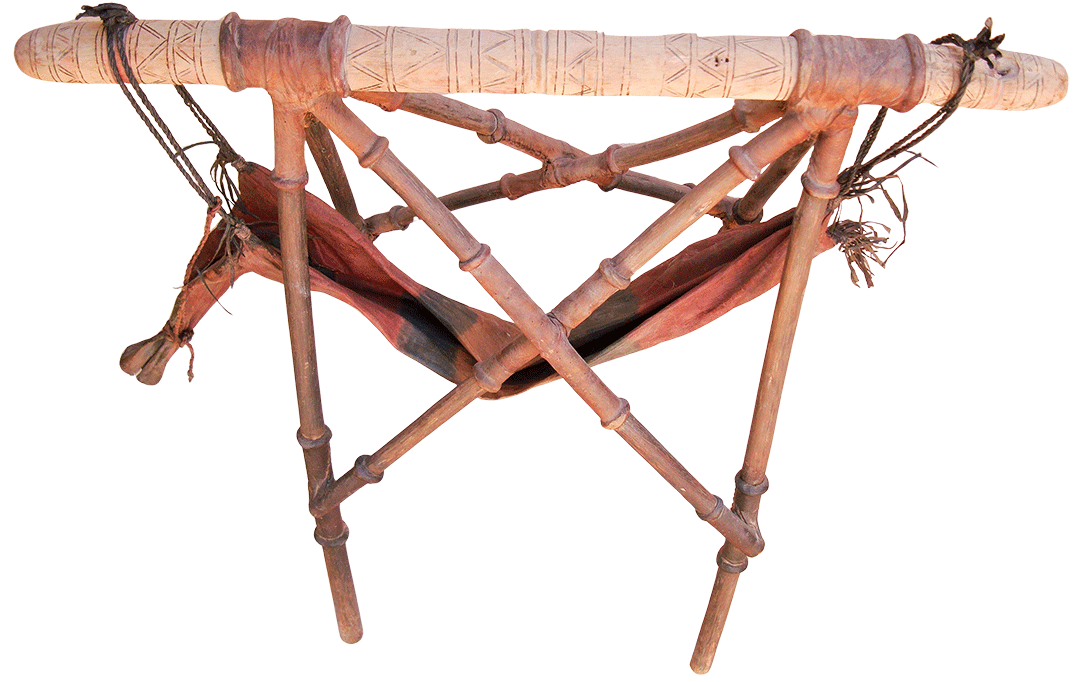
Timbuktu, today a reference as a faraway place, was in the 14th century a world-renowned science and trade hotspot. The city was the southern terminus of a trans-Saharan trade route for salt rock, brought from mines in the central Sahara. After having watched the camels being loaded and the caravan setting off, you head on westwards to Mauritania. Along the way, you will meet shepherds of Berber and Arabic origin who nomadically roam the desert. You watch them set up their camp and once comfortably seated on painted leather cushions, you may have tea and play a round of the desert game Dhamma. (Exhibition panel)
8
The West Route
from
Kiffa to Akka
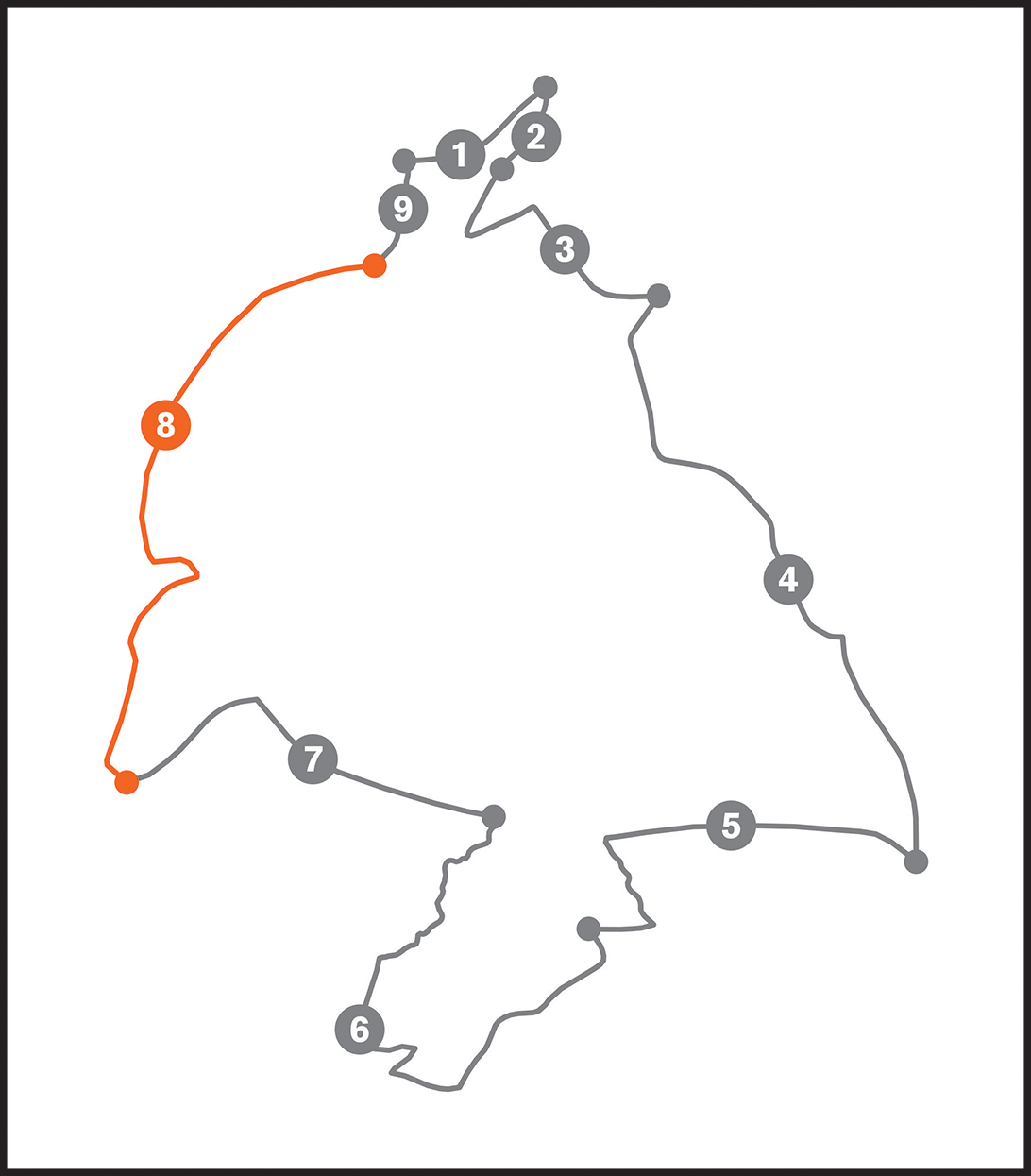
“Collecting stones and shells, keeping them close, and taking care of them are universal gestures throughout history. This affection reveals mankind’s need to reach the depths of the self by descending to the beginning of time.”
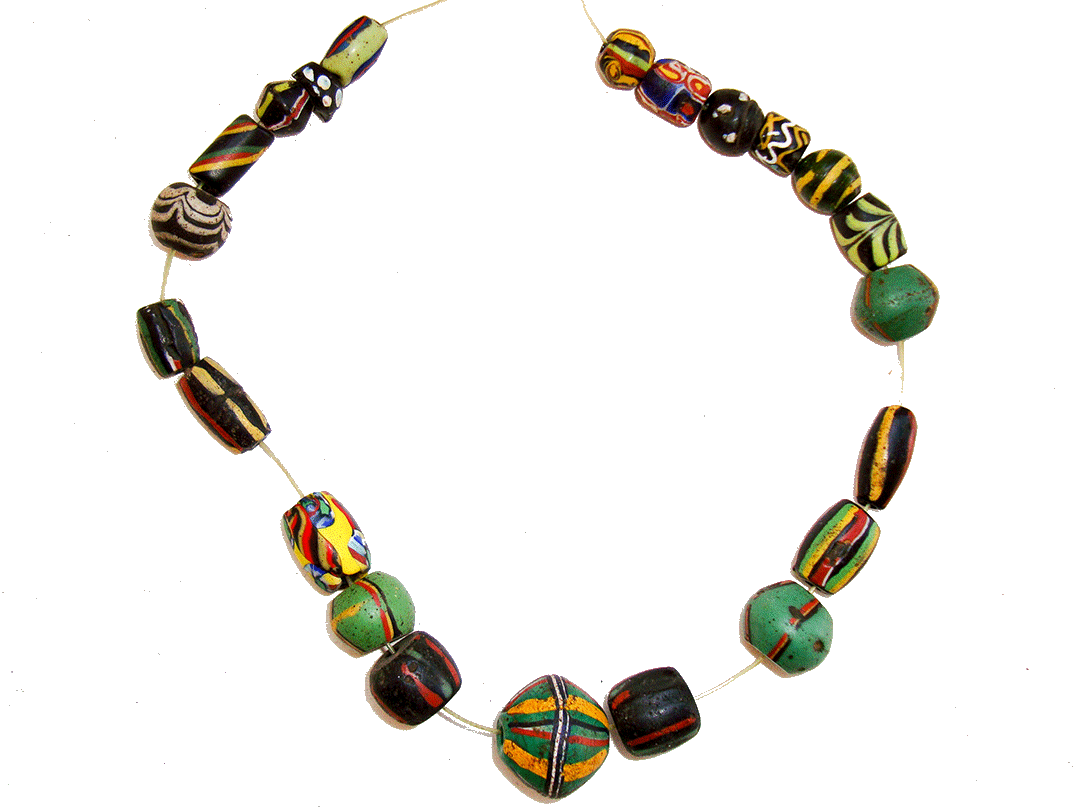
From Mauritania, you reach southern Morocco by crossing the Sahara again. This time, you take the western route. From the south, caravans brought gum, hides, but above all gold from Ghana and slaves. From the north came fabrics, jewellery, dates, wheat, and salt. This trade also brought ancient African currencies to the north – cowrie shells and glass beads, once exchanged for slaves. At the northern end of this trade route, Zineb Nefzaouia, the Amazigh wife of the first sultan of the Almoravid dynasty, Yussuf Ibn Tachfin, planned the city of Marrakech around 1070. Since then, the place has become a hub of trade and cultural exchange between the western Maghreb and sub-Saharan Africa. (Exhibition panel)
9
Western High Atlas
from
Akka to Marrakesh
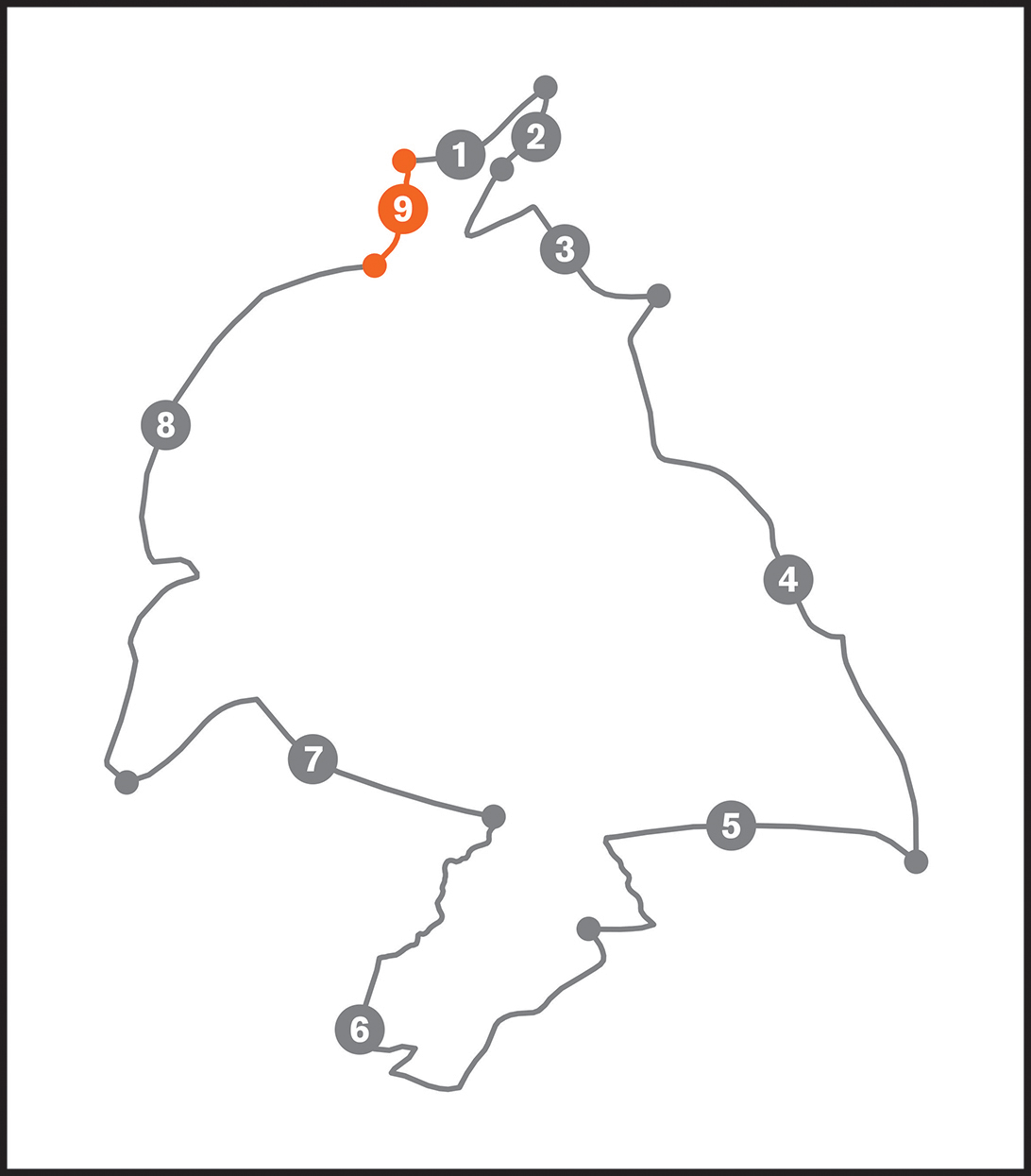
“Geometric trends in contemporary painting, often accused of excessive intellectualism in capitalist countries and bourgeois inspiration in socialist ones, emerge from the depth of the human soul.”
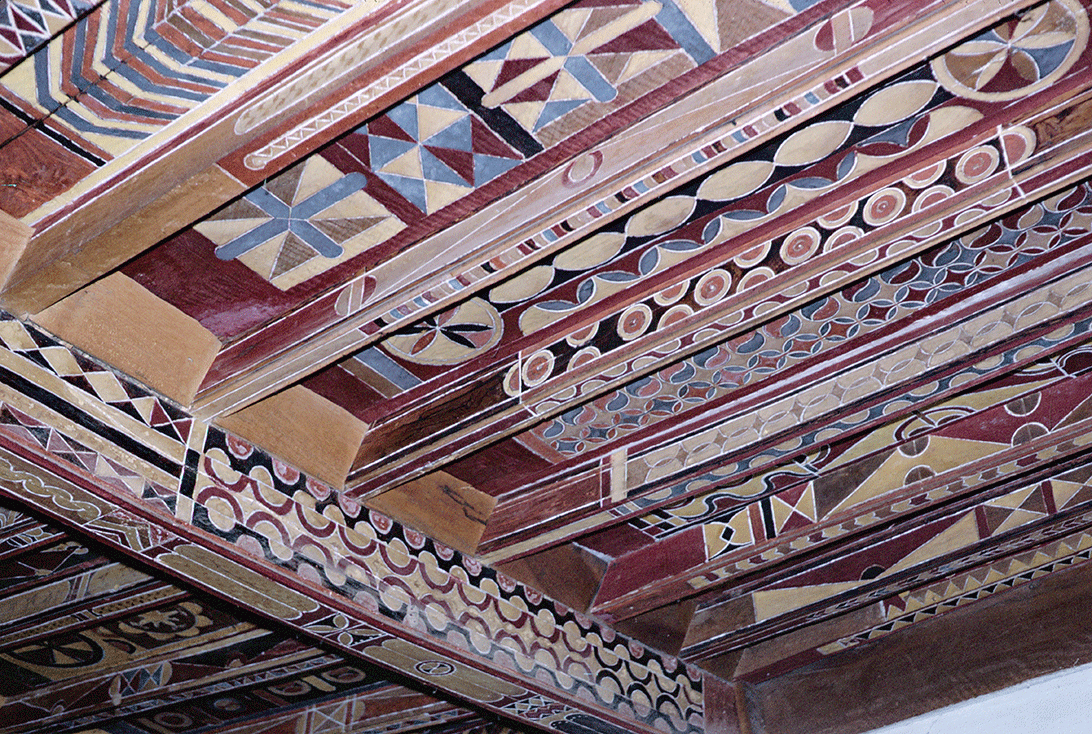
On the last stage, you cross the arid Anti-Atlas mountains and the fertile Souss plain. As you climb the western High Atlas, you will come across the ram – on fibulas, pillar capitals and powder horns. Meet Bert again, learn about his passion for geometric art and why he named his house Tiskiwin. The highlight of this trip takes you to remote mountain mosques. With Bert, you will discover the magnificent painted ceilings that inspired the artists of the Casablanca Art School, a postcolonial avant-garde painters' collective.(Exhibition panel)